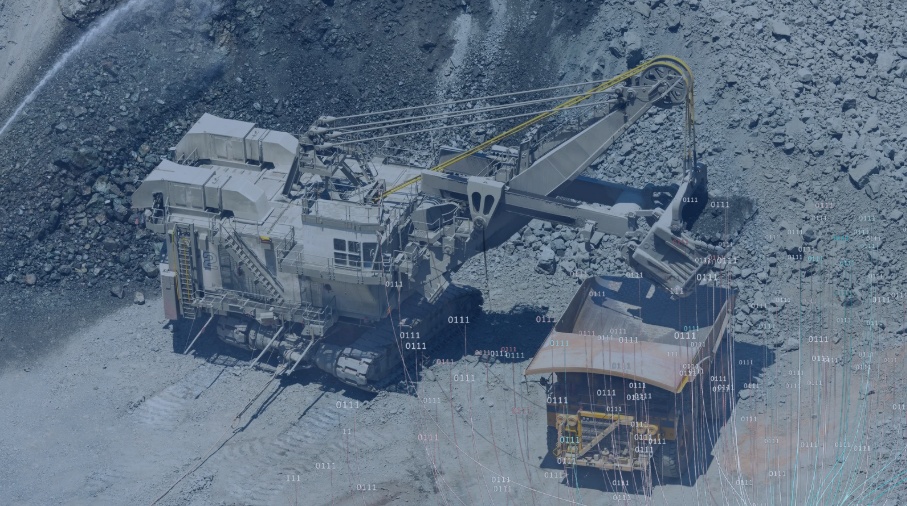
Refuel Coach by Cascadia Scientific is the industry’s first precision refueling guidance system for open-pit mines, designed to help operations extend production time, reduce unnecessary refueling stops, and avoid costly fuel-out events. Refuel Coach combines high-accuracy instrumentation, machine learning, and operational data to precisely manage and optimize refueling decisions across your haul fleet.
The Challenge?
Refueling Too Soon, or Too Late
Most mines still rely on tank level sensors – but the reality is, they’re often unreliable and don’t provide real-time insight. Without accurate data, refueling becomes a guessing game.
On average, trucks are being refueled while 35% of their tank capacity still remains – a clear sign of wasted time and opportunity.
Better data means better decisions. With real-time visibility, you can refuel only when it’s needed – and keep your trucks in production longer.
Unique Value from Cascadia Scientific
Verified Refueling with Multi-Source Data Combines tank temperature patterns, GPS, fuel level sensors, and FMS data to accurately confirm when refueling occurs.
Precise Fuel Consumption Tracking Uses high-accuracy fuel flow meters to measure consumption and calculate true remaining fuel between refuels.
Predictive Refueling Modeling Machine learning analyzes haul cycle history to forecast how many trips remain before refueling – helping you run trucks longer between fills
Reliable, data-driven Refueling
Refuel Coach tackles both problems, refueling too early and refueling too late, by calculating real-time, highly accurate fuel-on-board estimates, and issuing smart alerts for critically low fuel levels.
How it Works:
Model Inputs and Features
Our model uses multiple data sources to give accurate fuel insights:
Fuel temperature patterns (feed and return)
Tank level sensors
Truck geolocation
Engine shutdown events
Integration with your Fuel Management System
Manual confirmation or override is always possible
The algorithms can also detect partial refueling events by combining fuel system data with tank temperature patterns.
Highly Triangulated Fuel Volume Estimates
We calculate remaining fuel using multiple methods for accuracy:
Meter-based consumption: Full tank minus fuel used since last refuel.
OEM predictions: Full tank minus estimated consumption based on OEM models.
Model-based estimates: Full tank minus fuel used, calculated from live haul cycle data.
Fuel temperature analysis: Remaining volume inferred from tank heating, return fuel volume, and return fuel temperature.
Tank level sensors: Used when healthy and available.
By combining these sources, we provide a highly reliable view of how much fuel is actually left.
Detecting Critical Low Fuel Levels
The system uses smart algorithms to flag when fuel is running dangerously low:
Tank temperature patterns: Rapid temperature rise signals low fuel.
Fuel level sensors: Used when available and functioning.
This ensures timely alerts and helps prevent unexpected fuel shortages.
Integration Ready.
Fleet Management System
Fuel Management System
Stand Alone, or Integrated Dashboard
Refuel Coach Business Case
Refueling events per truck per year.
500
Average fuel level at time of refuel
35%
Average total refueling time = detour time + fueling duration + queue time.