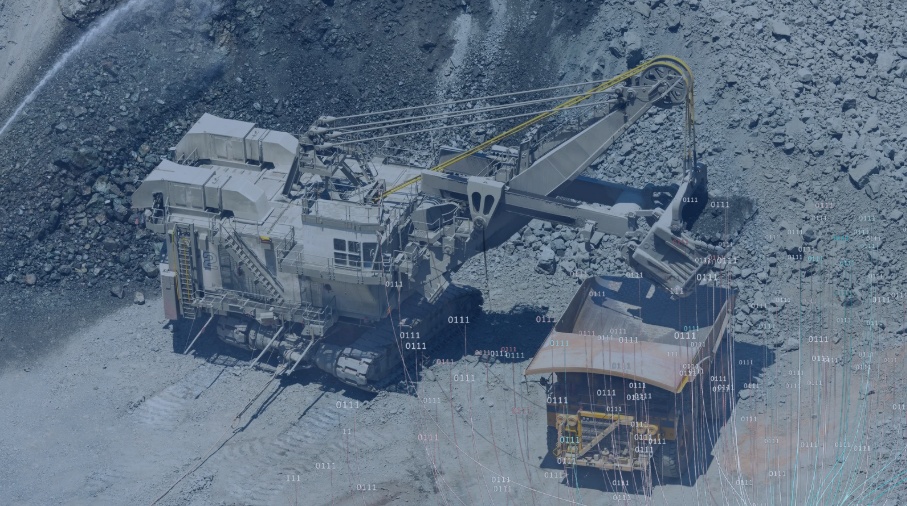
Refuel Coach de Cascadia Scientific es el primer sistema de optimización para el reabastecimiento en minería a rajo abierto, diseñado para ayudar a las operaciones a extender el tiempo de producción, reducir detenciones innecesarias y evitar pérdidas operativas asociadas a la falta de combustible. Refuel Coach combina instrumentación de alta precisión, machine learning y data operacional para gestionar y optimizar con exactitud las decisiones de reabastecimiento en toda la flota de acarreo.
¿El desafío? Reabastecer antes de lo necesario o demasiado tarde.
La mayoría de las minas aún dependen de los sensores de nivel de combustible instalados de fábrica en los estanques de los camiones. Sin embargo, estos sensores suelen ser poco confiables, no entregan mediciones precisas ni información en tiempo real. Sin esta data, las decisiones de reabastecimiento terminan basándose en estimaciones, ya que no existe claridad sobre el momento exacto en que debe realizarse.
En promedio, los camiones se reabastecen cuando aún les queda cerca del 35 % del combustible en el estanque, lo que representa una clara pérdida de tiempo y eficiencia operativa.
Mejores datos significan mejores decisiones. Con visibilidad en tiempo real, puedes repostar sólo cuando sea necesario, y mantener tus carretillas en producción más tiempo.
Valor Diferenciador de Cascadia Scientific
Confirmación precisa del reabastecimiento mediante el análisis de múltiples fuentes de información. Combina patrones de temperatura del estanque, GPS, sensores de nivel de combustible y datos del FMS para confirmar con precisión cuándo debe ocurrir el reabastecimiento.
Monitoreo preciso del consumo de combustible Utiliza flujómetros de alta precisión para medir el consumo y estimar con exactitud el combustible disponible entre reabastecimientos.
Modelamiento predictivo para el reabastecimiento Mediante machine learning, se analiza el historial de ciclos de acarreo para estimar cuántos viajes puede completar un camión antes de requerir reabastecimiento, permitiendo extender su tiempo de operación entre cargas de combustible.
Decisiones de reabastecimiento confiables basadas en datos
Refuel Coach resuelve ambos desafíos, reabastecer demasiado pronto o demasiado tarde, brindando en tiempo real estimaciones altamente precisas de la cantidad de combustible disponible en cada camión y generando alertas inteligentes cuando los niveles de combustible se aproximan a rangos críticos.
Cómo funciona
Variables y funcionalidades del modelo
Nuestro modelo combina información proveniente de múltiples fuentes para entregar una visión precisa del estado del combustible.
Patrones de temperatura del combustible (alimentación y retorno)
Sensores de nivel del estanque
Geolocalización del camión
Eventos asociados a paradas de motor
Integración con el Sistema de Gestión de Combustible (FMS)
Siempre es posible confirmar o ajustar manualmente la información.
Los algoritmos también permiten identificar reabastecimientos parciales al combinar información del sistema de combustible con patrones de temperatura del estanque.
Estimaciones de alta precisión del volumen de combustible
Estimamos el combustible remanente combinando distintos métodos de cálculo para asegurar la máxima precisión:
Consumo basado en flujómetros: Combustible total del estanque menos el combustible utilizado desde el último reabastecimiento.
Estimaciones del fabricante (OEM): Combustible en estanque lleno menos el consumo proyectado según los modelos del fabricante.
Estimaciones basadas en modelos predictivos: Combustible en estanque lleno menos el combustible consumido, calculado utilizando datos operacionales en tiempo real del ciclo de acarreo.
Análisis de temperatura del combustible: El volumen remanente se estima a partir del comportamiento térmico del estanque, el volumen de combustible de retorno y la temperatura del combustible de retorno.
Sensores de nivel del estanque: Se utilizan cuando están operativos y disponibles.
Al combinar estas fuentes de información, logramos una estimación altamente confiable de cuánto combustible queda realmente disponible.
Detección de niveles críticos de combustible
El sistema utiliza algoritmos inteligentes para detectar cuando el combustible alcanza niveles peligrosamente bajos:
Patrones de temperatura del estanque: Un aumento rápido de la temperatura indica niveles bajos de combustible.
Sensores de nivel de combustible: Se utilizan cuando están disponibles y funcionando correctamente.
Esto permite generar alertas oportunas y ayuda a prevenir que los camiones se queden sin combustible de forma inesperada.
Diseñado para integrarse fácilmente.
Sistema de Gestión de Flota
Sistema de Gestión de Combustible
Disponible como plataforma independiente o integrada en paneles de control
Refuel Coach Business Case
Cantidad de reabastecimientos por camión al año.
500
Nivel promedio de combustible al reabastecer
35%
Tiempo promedio total de reabastecimiento = tiempo de desvío + tiempo de carga de combustible + tiempo de espera en fila.
25 Minutos
Valor de una hora de producción (USD)
USD $500
Incremento de productividad por camión:
Nivel objetivo del estanque al reabastecer
Disponibilidad adicional por camión (hrs/año)
Incremento anual de productividad por camión (USD)